


Cart
0
You may also like


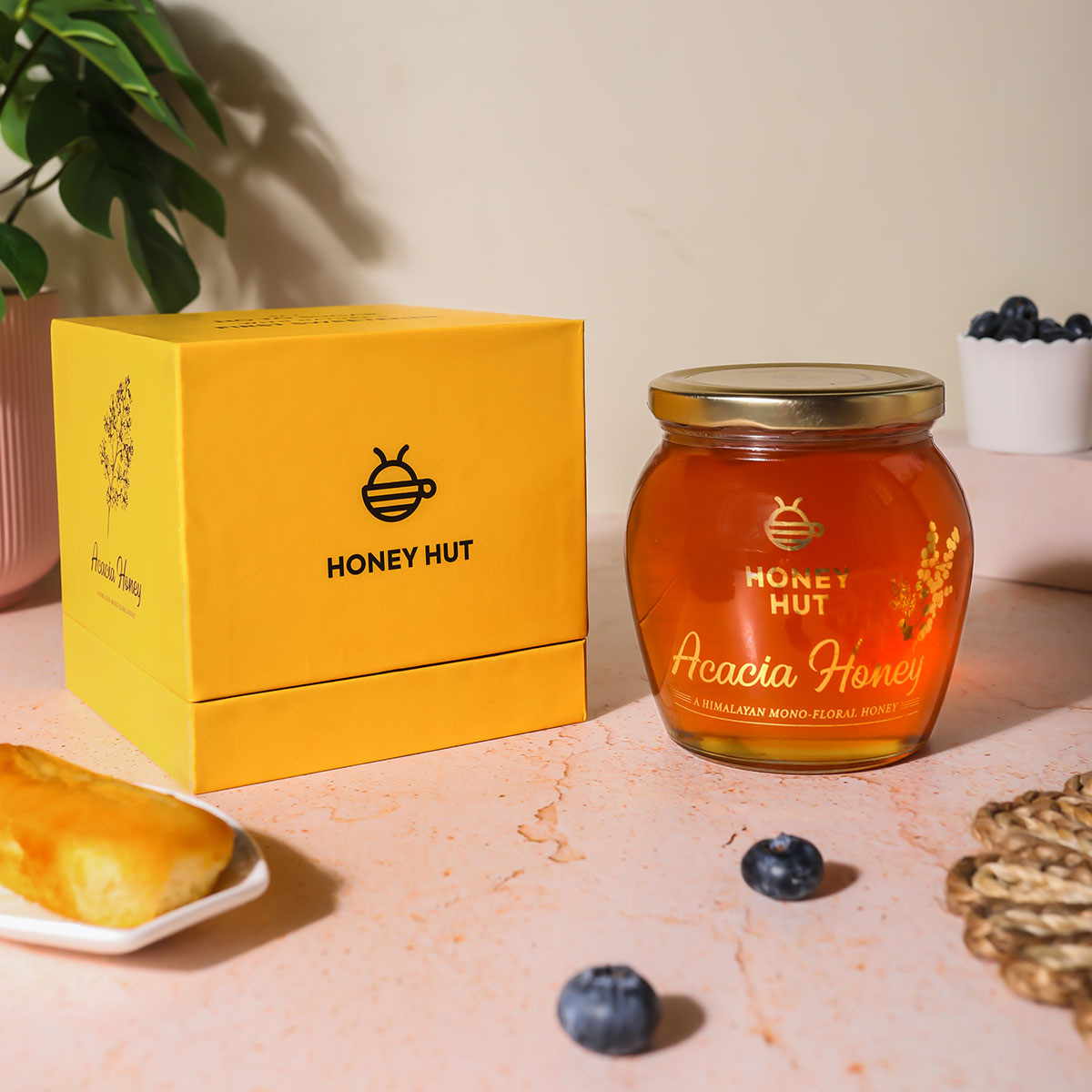
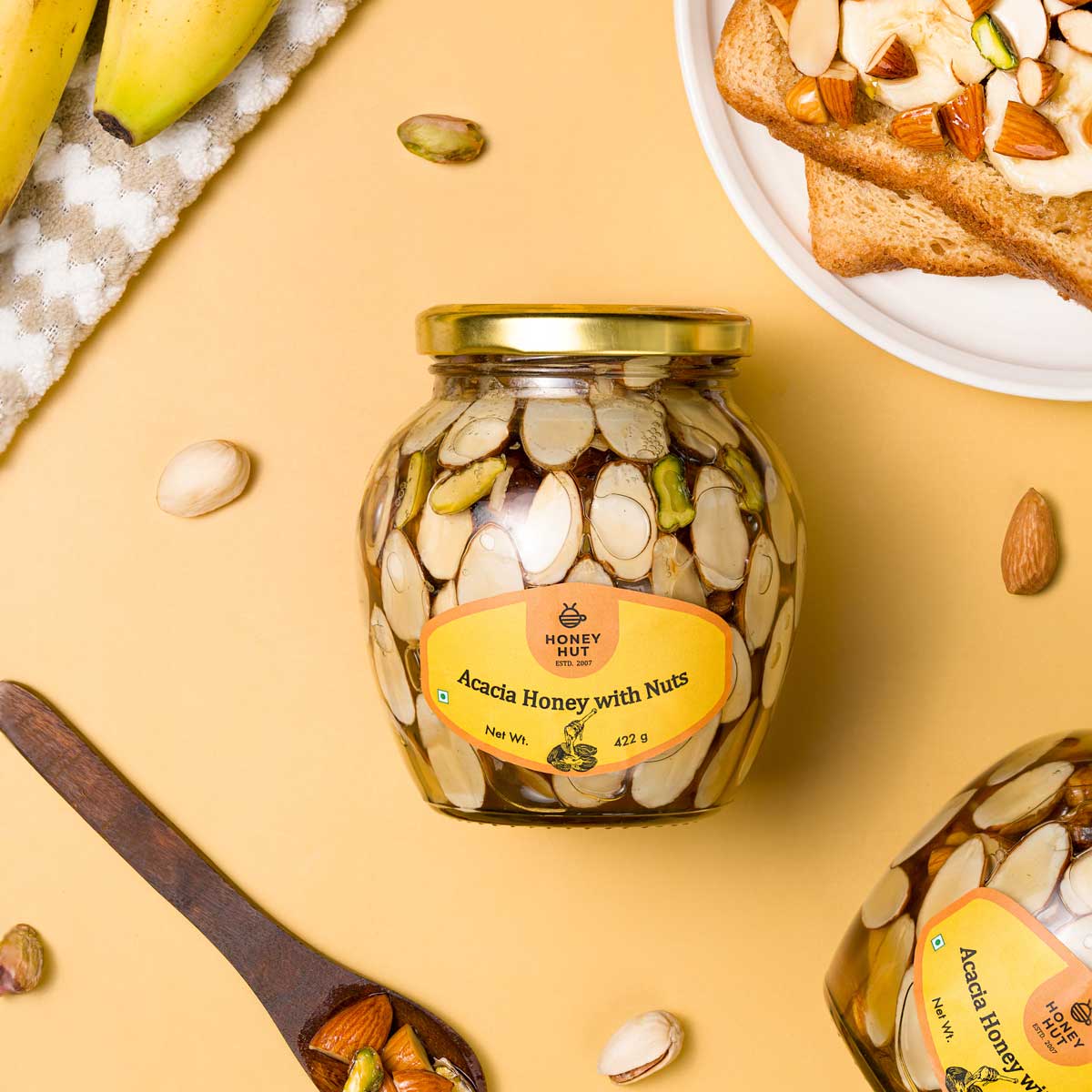
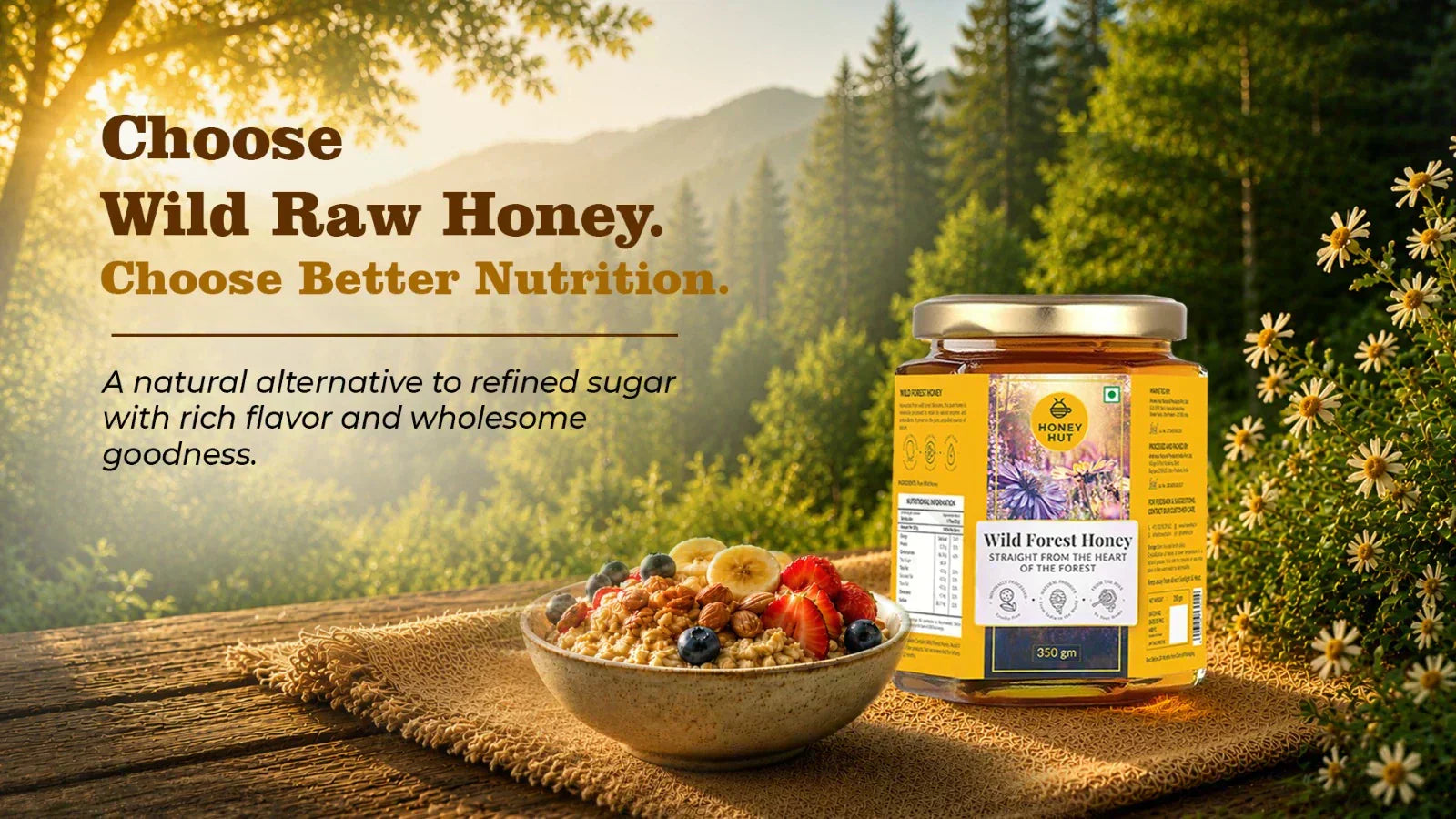
Honey has been a go-to natural remedy and sweetener for ages, but not everything in a plastic bear on the grocery shelf is created equal. If you really want the best—something untouched and exactly how nature intended—you want wild raw honey.
It’s not just a sweetener; it’s a direct connection to nature. Here is the lowdown on why making the switch is worth it.
Most honey is mass produced. Wild raw honey is produced by the bees in the forests, hills and remote areas. Because it isn't heated or heavily filtered, it keeps all the good stuff: the natural enzymes, pollen, antioxidants, and nutrients that usually get processed out of store-bought versions.
Because the bees are foraging on a huge variety of wild plants, the flavor is much deeper and more complex than the one-note syrup you're probably used to.
Most commercial honey is heated and filtered to make it look perfectly clear and keep it liquid on the shelf for years. Unfortunately, that process kills off many of the beneficial compounds.
Wild raw honey stays closer to the source:
Better flavor: A much richer, more interesting taste.
The orignal deal: Contains the natural enzymes and good pollen.
Antioxidant power-up: More of what your body needs to fight stress.
Less "meddling": No industrial processing.
Antioxidant Powerhouse: It helps protect your body from everyday stress.
Clean Energy: It’s a perfect, natural way to fuel up before a workout or replace refined sugar in your diet.
Everyday Wellness: It’s super easy to work into your day—just a spoonful in your tea, yogurt, or oatmeal makes a huge difference.
Because it’s so flavorful, a little really does go a long way.
Try it in:
Your morning coffee, tea, or a glass of lemon water.
Drizzled over yogurt, oats, or toast.
Blended into a smoothie or used as a healthier swap in your favorite baking recipes.
If you're buying online, don't get fooled by fancy labels.
Read the label: It should say "honey" and nothing else. No added syrups or sugars.
Look for “Raw”: It’s been processed as little as possible. Check for Transparency: Good brands are happy to tell you exactly where their honey is from.
Don't Fear Crystallization: If your honey gets a little cloudy or chunky/hard over time, don't throw it out! That is actually a sign that it’s pure, real honey.
You’ll notice wild honey is a bit pricier than the stuff in the squeeze bottle, and there’s a good reason. It’s hard work to harvest honey from deep in the forest, and the production volumes are much smaller. When you pay for wild raw honey, you’re paying for the purity, the labor, and the quality of the environment the bees lived in.
If you’re trying to eat cleaner and want to cut back on refined sugar, wild raw honey is a fantastic addition to your pantry. It’s wholesome, it’s delicious, and it’s about as close to nature as you can get. Mother Nature did the hard work for you—all you have to do is enjoy it.

Written by
Ritesh Pandey is an experienced content strategist and writer with over 8 years of expertise in creating high-quality digital content across various industries. Over the last 3 years, he has focused extensively on the food and beverage sector, developing insightful content on honey, natural ingredients, nutrition, healthy eating, and consumer wellness trends. Known for his research-driven approach and engaging writing style.





