


Cart
0
You may also like




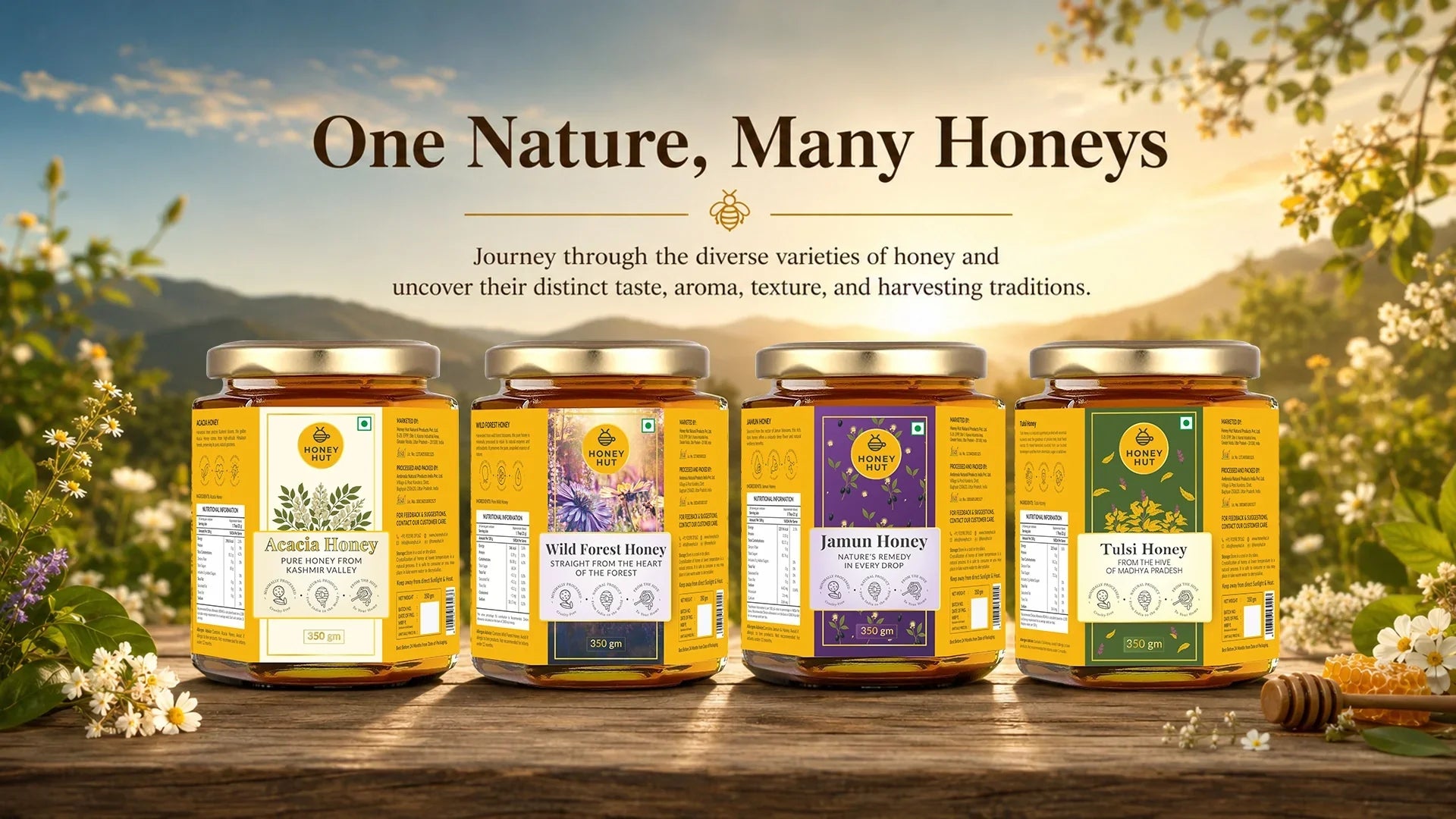
Walk into any grocery store or browse the honey chain online, and you'll quickly learn that honey is much extra much more than most humans recognize. From soft colored acacia honey to dark forest honey, each range offers a unique flavor, aroma, color and texture. These differences are created with the help of the plants visited by the bees, the environment in which the nectar is stored, and the seasonal conditions for the duration of honey production.
For buyers who must choose the beautiful honey that suits their needs, expertise in the many types of honey is important. Some people opt for moderately delicate tastes, while others enjoy the rich and bold variety. Questions like "Which honey is the sweetest?", "How many varieties of honey exist?", and "What is the best time to harvest honey in India?" there are a growing number of not unusual ones as interest in herbal foods continues to grow.
This booklet explores the main styles of honey and the characteristics that make each unique.
Floral irrigation is the number one factor affecting honeybee diversity.
When bees store nectar from certain flowers, the resulting honey develops tremendous properties.
Factors That Affect the Type of Honey Include:
Types of flowers
Climate conditions
Geographical location
Soil quality
The season of fruits
Beekeeping practices
By integrating these elements, Madhu creates a quality variety positioned globally.
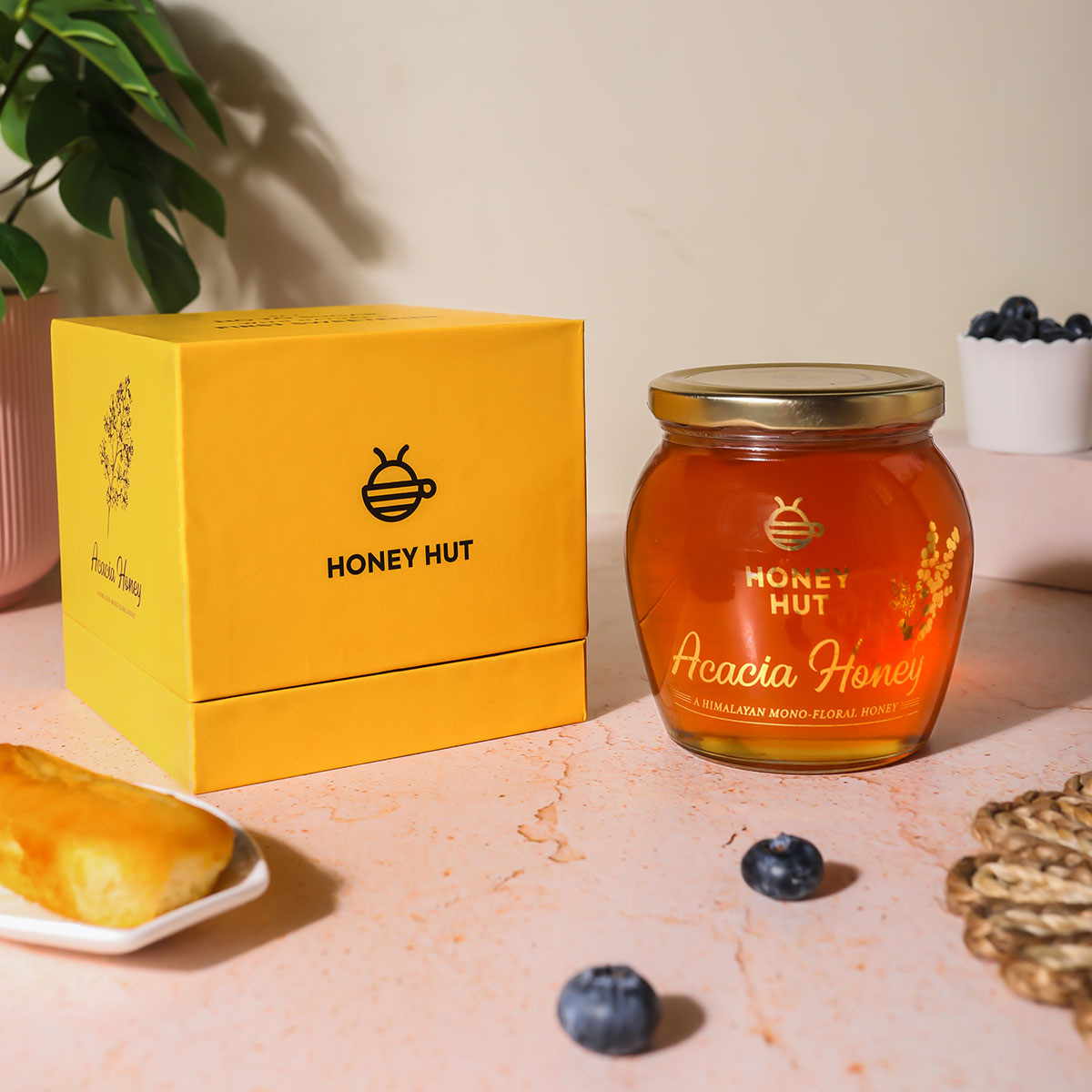
Acacia honey is one of the most popular types of honey in the global.
Symptoms:
Very soft shade
Mild floral flavor
Smooth texture
The natural flavor of candy
Because of its mild flavor, acacia honey is often preferred over the use of fresh herbal honey.
Best Use:
Tea and coffee
Yogurt
Toasted bread
Desserts
Forest honey is obtained from plants and wildflowers that grow within the forest ecosystem.
Symptoms:
Amber brown color
Highly fragrant
Strong taste
Flavorful flavor profile
Forest honey is commonly selected by people who appreciate more flavors of honey.
Best Use:
Income generation
Herbal beverages
Traditionally consumed food items
Wildflower honey is created through bees collecting their nectar from various flowers that are distinctly preferred by bees.
Symptoms:
Changeable taste according to the season
Fragrance of the flowers
Sufficient amount of sweetness
Multifaceted flavor profile
It varies from batch to batch because of seasonal change in flowering.
Jamun honey is mostly derived from the nectar of the flowers of jamun plant.
Symptoms:
Deep shade
Distinctive flavor
Mild fruity flavors
Rich text
It is highly appreciated by honey lovers due to its unique flavor.
Tulsi honey is prepared from the nectar collected in the life of basil plant and flower feature.
Symptoms:
Herbal
Cozy sweetness
Distinct flavor profile
Light to medium shade
Sidr honey is considered one of the most top rate honey types.
Symptoms:
Gross stability
Rich flavor
Limited production
High demand
Its rarity contributes significantly to its popularity and fees.
Himalayan honey produced in the mountains has its precise geographical origin.
Symptoms:
Complex juice
Natural flower arrangement
A distinctive smell
Seasonal diversity
Different mountain flowers support just male or female.
One of the most frequently asked questions is:
Which honey is the sweetest?
The solution depends on the sugar composition and personal taste preferences.
In general, the following honey types are known for their sweeter profile:
|
Honey Variety |
Sweetness Level |
|
Acacia Honey |
Very High |
|
Clover Honey |
High |
|
Wildflower Honey |
Moderate to High |
|
Tulsi Honey |
Moderate |
|
Forest Honey |
Moderate |
|
Jamun Honey |
Moderate |
Acacia honey is regularly considered one of the sweetest and mildest types of honey.
Different types of honey can affect the common honey bee.
The Taste
The flower supply directly affects the taste.
Aroma
Each flower contributes unique aromatic compounds.
Color
Honey can often vary from light to dark brown.
Texture
Some honeys remain liquid for longer, others crystallize faster.
Cooking Test
Some types of honey blend better with particular foods and drinks.
Understanding these differences helps customers choose the honey that suits their prospects.
India’s varied weather conditions allow honey to be harvested in more than one season.
The best time to harvest honey depends largely on:
Regional climate
The flowering season
Bee food energy
Floral process
Spring Pruning
Many flowering plants bloom in the spring, making this honey season extremely productive.
Summer Crops
Some areas maintain honey production until early summer.
Autumn Fruits
Some flowering springs produce nectar during submit monsoon.
Professional beekeepers typically monitor nectar flow and honey maturity prior to harvest to ensure the best first batch.
Many consumers expect honey to remain intact after collection, but natural honey conforms.
Crystallization
Natural glucose content material moreover can purpose crystallized honey over the years.
Taste Development
Some flavors come out more really through storage in everything.
The Color Changes
Natural aging can have some effect on honey paint.
These changes are common and do not always indicate a drastic abnormality.
The global of honey is extremely diverse, presenting a wide range of flavors, aromas, textures and colors. From the sensual sweetness of acacia honey to the ambitious richness of forest honey to the different expressions of jamun, basil, cider and Himalayan honey, each variety tells a unique story about the plants the bees came from, the environment in which it was grown.
Choose different varieties that suit the non-publicity. Whether you're looking for sweetness, exploring new flavor profiles, or exploring honey harvesting in India, discovering unique honey varieties can work back to enjoying one of nature’s most beloved gifts.

Written by
Ram Singh is a professional content writer with 3 years of experience creating informative and SEO-focused digital content. For the past 2 years, he has specialized in the food and health sector, producing articles on honey, nutrition, natural ingredients, wellness, and healthy lifestyles. His writing combines research with clear, engaging language to make complex topics easy to understand. At HoneyHut, Ram is committed to delivering trustworthy content that educates readers about premium honey, beekeeping practices, and the benefits of choosing natural products for everyday health.





