


Cart
0
You may also like





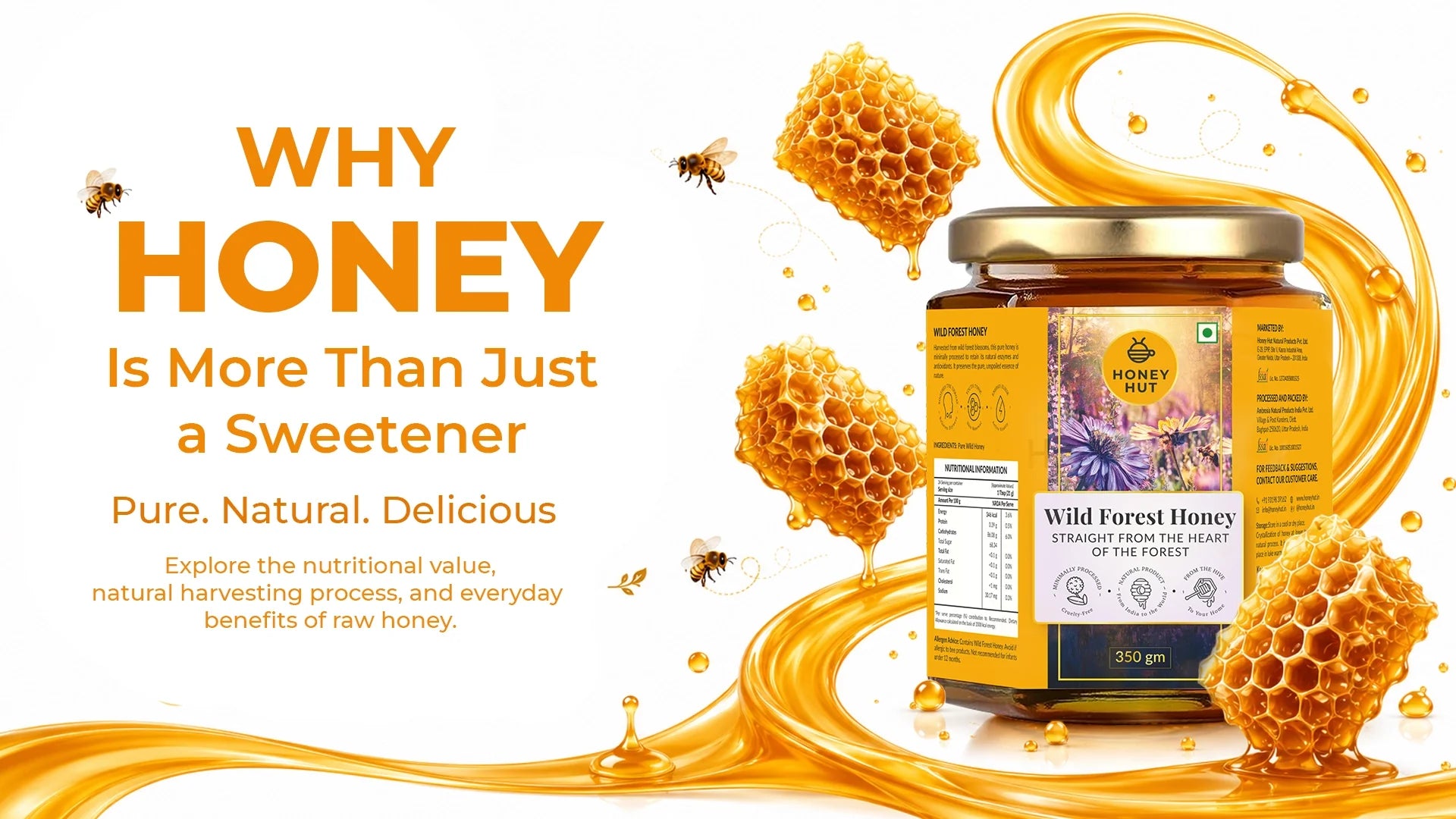
Let’s be honest: most of us grew up thinking of honey as just the thing you put in tea when you have a sore throat, or maybe the sticky stuff you drizzle on toast when you’re out of jam. For the longest time, I was the same way. I didn't give it much thought until I started digging into what I was actually putting into my body.
When I first learned about the nutritional value of honey, it completely changed how I view my kitchen staples. We’re so used to "sugar" being the villain—and refined white sugar deserves that reputation—but honey is an entirely different animal. It’s not just sweet; it’s a living, breathing food source that bees have spent thousands of hours creating.
Here is why I’ve made the switch and why I think you might want to look closer at your honey jar, too.
If you’ve ever Googled honey nutrition, you’ve probably seen a long list of numbers about fructose and glucose. Yes, it’s sugar. But here is the nuance: honey is a bioactive food.
When you buy high-quality, raw honey from a place like Honey Hut, you aren’t just getting sugar. You’re getting a tiny, natural medicine cabinet. It’s packed with antioxidants—the same kind of compounds you hear about in green tea or berries—that help your body fight off the daily wear and tear of oxidative stress.
I get asked this one a lot: "Honey contains which vitamin?"
The truth is, honey isn't a "vitamin pill." If you're looking for a massive dose of Vitamin C, eat an orange. But, honey does contain small, trace amounts of Vitamin C, along with a complex profile of B-vitamins like niacin and riboflavin. It’s not the amount of vitamins that makes it special; it’s how these vitamins work alongside the enzymes and minerals to make the energy boost you get from honey feel so much cleaner and more sustained than the jittery crash you get from a soda or a candy bar.
I’ve realized that where your honey comes from actually changes what’s inside the jar. Many store-bought honeys are ultra-filtered and heat-treated. That process might make the honey look clear and pretty, but it strips away the pollen and the raw, natural enzymes that are arguably the best parts of the honey.
When I found Honey Hut, I was impressed by their commitment to honey harvesting. They handle the hives with care, keeping the process as natural as possible. When you taste honey that hasn’t been messed with, you can actually taste the floral notes of the region. It’s a completely different experience.
Is honey actually better for me than white sugar?
In my opinion, absolutely. While your body still processes honey as sugar, it doesn't cause that massive spike and crash that refined sugar does. Plus, you’re getting those extra antioxidants, which is a total win for your immune system.
Can I really use honey for my allergies?
A lot of people I know swear by this. The idea is that by eating local, raw honey, you’re ingesting tiny amounts of local pollen, which acts like a natural way to help your body acclimate to its environment. Is it a proven cure-all? Maybe not scientifically, but a spoonful of local honey definitely makes the season feel more manageable for me.
Why does my honey look solid/grainy?
If your honey turns into a semi-solid, sugary paste in your pantry, don’t toss it! That’s actually a sign of real honey. It’s just crystallizing because of the natural glucose content. Just put the jar in a bowl of warm water for a few minutes, and it’ll turn back into liquid gold.
Is honey safe for my kids?
This is a big one: Never give honey to a baby under one year old. Their little systems just aren't ready to handle the natural bacteria found in raw honey. But for everyone over the age of one, it’s a fantastic, natural alternative to processed sweeteners.

Written by
Ritesh Pandey is an experienced content strategist and writer with over 8 years of expertise in creating high-quality digital content across various industries. Over the last 3 years, he has focused extensively on the food and beverage sector, developing insightful content on honey, natural ingredients, nutrition, healthy eating, and consumer wellness trends. Known for his research-driven approach and engaging writing style.





